 Magic Today Photography
Magic Today Photography
Magic Today Photography
✦ Photography Style Guide
Discover the magic of unposed, authentic wedding photography. See 10 real examples that capture genuine emotions – and learn why couples are choosing candids over stiff portraits.
✦ BEYOND THE POSED PORTRAIT
You’ve seen them on Instagram – the laughing bride, the groom wiping away a tear, the flower girl tugging at her dress. These images feel different. They feel alive. They feel real.
That is the power of candid wedding photography.
Candid wedding photography is a style where the photographer captures unposed, spontaneous moments as they happen naturally – without directing the couple or guests. The goal is to tell the real story of the day through genuine emotions, interactions, and details.
Core philosophy: “Don’t create the moment. Capture the moment.”
Instead of saying “stand here and smile,” the candid photographer blends into the background, anticipating laughter, tears, embraces, and glances. The result is a wedding album that feels like a documentary of your love – not a catalogue of staged portraits.
📖 Already planning your wedding timeline? Check out our complete guide to the Wedding Day Photography Timeline – perfect companion to understanding how candid moments fit into your day.
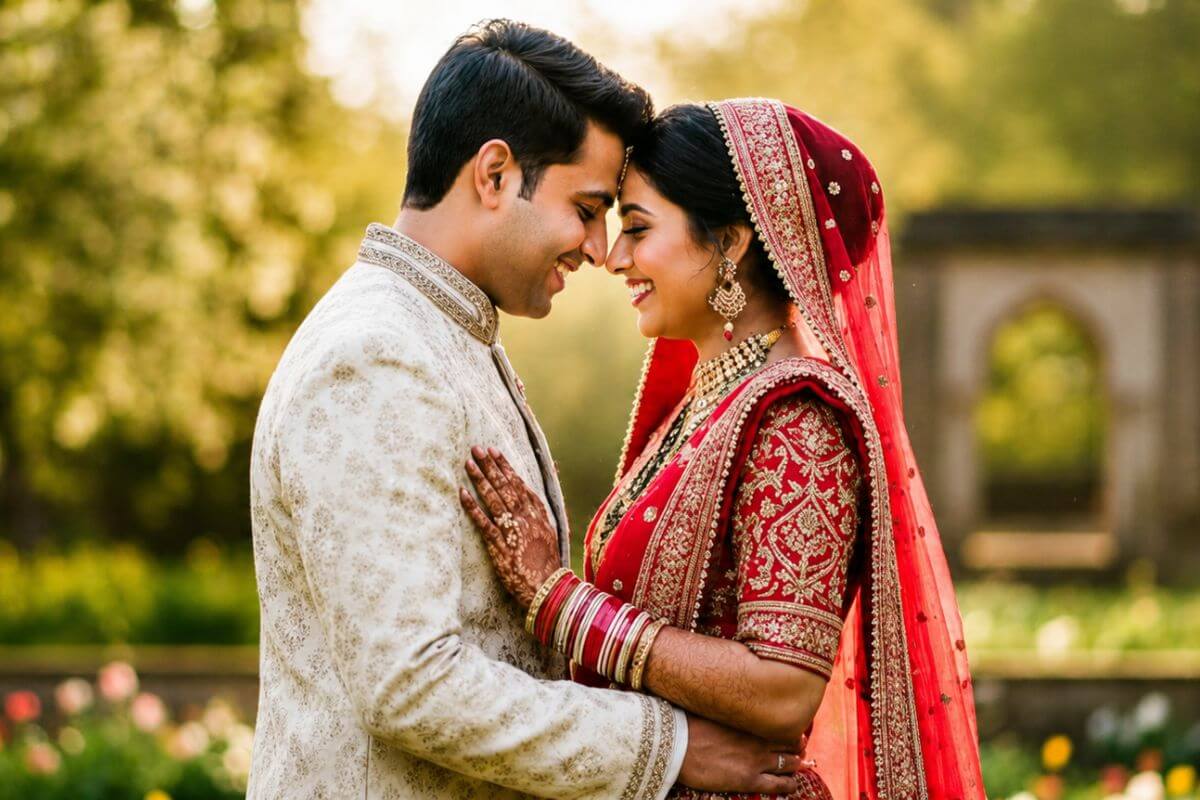
📊 Why Candid Is Taking Over Weddings
✅ 73% of couples now rank “authentic, natural photos” as more important than “posed, traditional portraits.” (The Knot 2025 Real Weddings Study)
✅ 112% increase in “candid wedding photography” searches over the last 3 years. (Google Trends 2023–2026)
✅ 85% of millennials and Gen Z couples prefer a mix of candid + documentary style over fully posed albums. (WeddingWire 2026 Couple Survey)
| Style | Approach | Best For | Example |
|---|---|---|---|
| Candid / Documentary | Unposed, observational, storytelling | Couples who hate being in front of the camera | A groom laughing with his groomsmen before the ceremony |
| Traditional / Posed | Directed, formal, structured | Couples who want classic family portraits | Bride + groom looking at camera, family lined up |
| Editorial / Fashion | Highly styled, dramatic, artistic | Couples who want magazine‑style images | Dramatic lighting, intentional poses, styled wardrobe |
Scene: Bride fixing groom’s tie before the ceremony. He whispers something silly. She bursts into genuine laughter.
Why it works: Real joy cannot be faked. This image feels like being let in on a private joke.
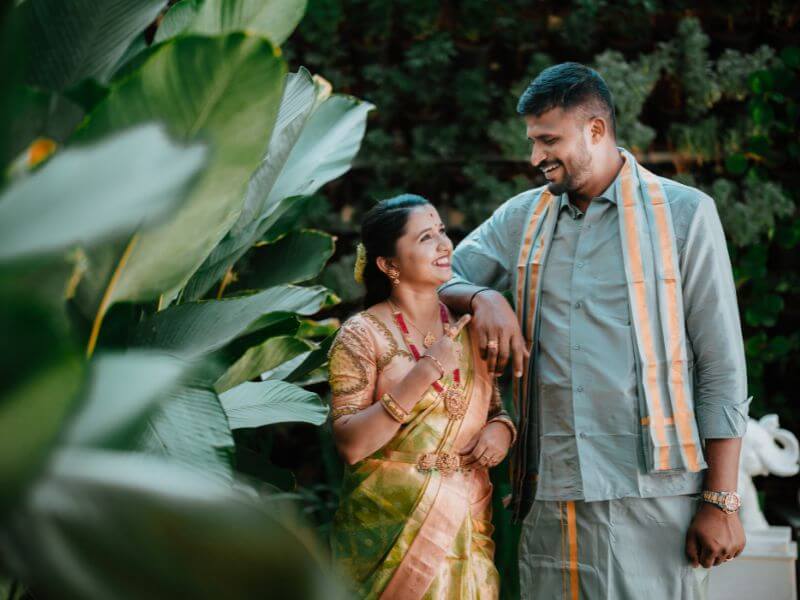
Scene: Mother seeing her daughter in her wedding dress for the first time. Her hand covers her mouth. Eyes well up.
Why it works: No direction needed. Raw, universal emotion.
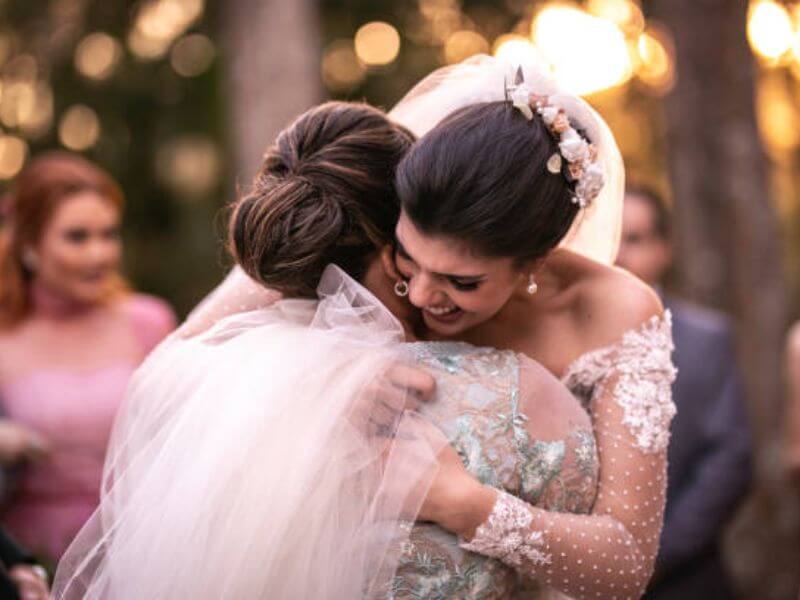
Scene: During the ceremony, the flower girl decides to sit down right in the middle of the aisle and examine her shoes.
Why it works: Unpredictable, adorable, completely real.
Scene: While the officiant speaks, the groom glances at his bride. She looks back. They both smile.
Why it works: A wordless conversation. Intimacy witnessed, not staged.
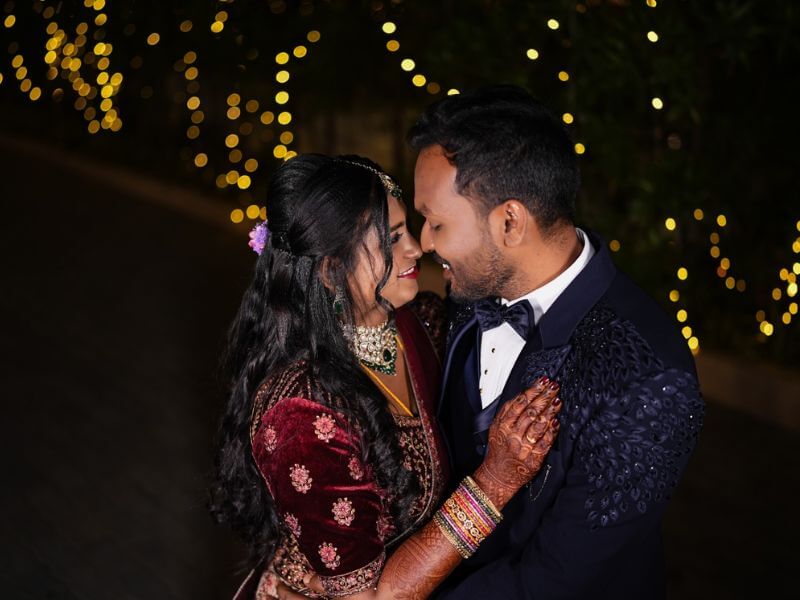
Scene: During the reception, the couple’s grandparents take to the dance floor – moving slowly, holding each other tight.
Why it works: Decades of love visible in a single frame.
Scene: As the couple exits the ceremony, guests throw confetti. The bride shrieks with delight; the groom protects her face.
Why it works: Pure, unplanned chaos and joy.
Scene: Bridesmaids struggling to button the bride’s dress. Laughter. Mock panic. A hairpin dropped.
Why it works: These are the real memories of the morning – not sterile perfection.
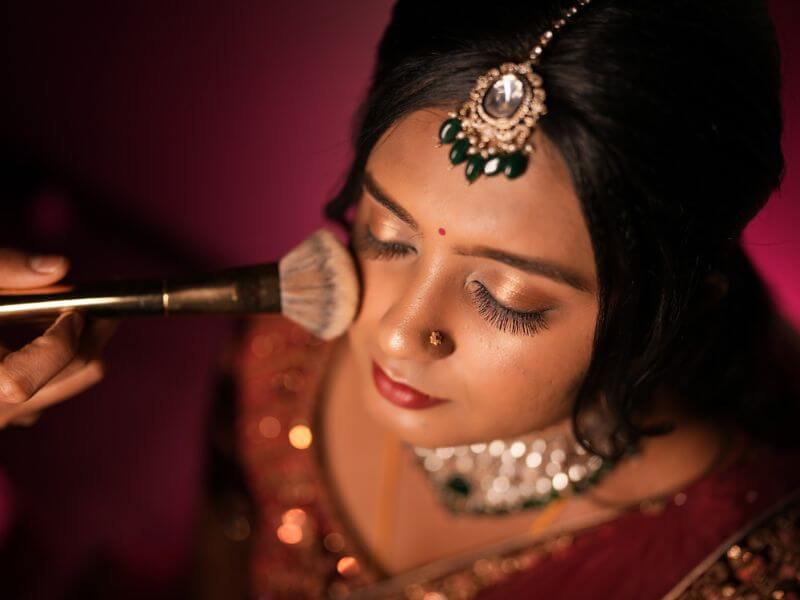
Scene: After the reception, the couple sits alone on a bench, shoes off, exhausted but happy. She rests her head on his shoulder.
Why it works: The exhaustion and relief of a day well spent. Intimate, tender, real.
Scene: A toddler climbs onto a reception chair and starts dancing like nobody’s watching. Guests laugh.
Why it works: Unfiltered joy. The kind of moment you forget until you see it in print.
Scene: At the end of the night, the bride hugs her father goodbye. His eyes are red. She is crying.
Why it works: Goodbyes are emotional. This image captures the bittersweet end of a perfect day.
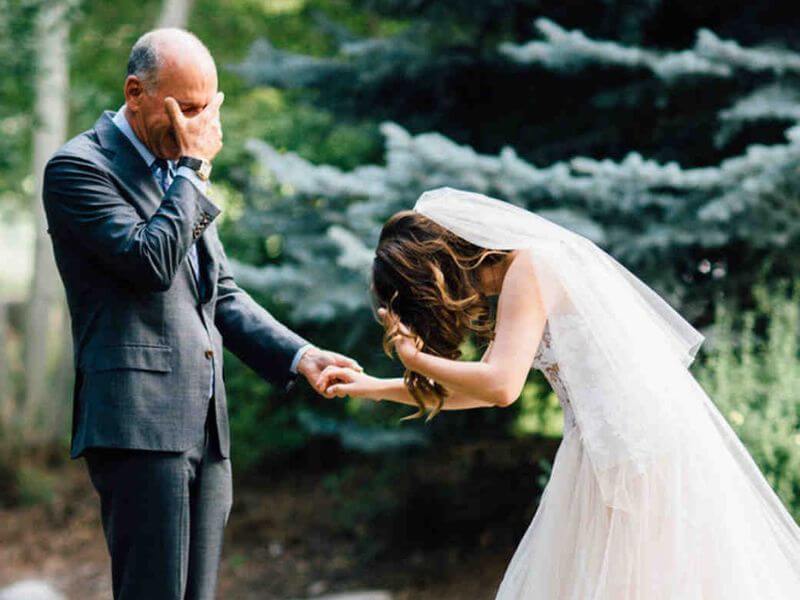
“The best wedding photos are the ones where you don’t remember the photographer being there.” – Anonymous couple
Many couples wonder: “If nothing is posed, how does the photographer get such good shots?”
The candid photographer’s workflow:
Gear matters too: Fast prime lenses (f/1.4, f/1.8), silent mirrorless cameras, two bodies with 35mm + 85mm.
| Misconception | Truth |
|---|---|
| “Candid means no posed photos at all.” | Most candid photographers still do 20–30 minutes of family formals. The rest of the day is unposed. |
| “Candid photos are blurry or poorly composed.” | Professional candid photographers master composition, light, and timing – even in split seconds. |
| “You won’t get any photos of your guests looking at the camera.” | Guests naturally look toward the couple or key moments. Those shots happen organically. |
| “Candid only works for small weddings.” | Candid works for any size wedding. The photographer simply adapts positioning. |
Candid wedding photography is a style where the photographer captures unposed, spontaneous moments as they happen naturally – without directing the couple or guests. The goal is to tell the real story of the day through genuine emotions, laughter, tears, and interactions, not through stiff, posed portraits.
Traditional wedding photography involves posed, directed shots where the photographer tells you where to stand, how to smile, and where to look. Candid photography is unposed – the photographer blends into the background and captures real moments as they unfold naturally. Most modern weddings use a mix: 80% candid + 20% traditional family formals.
Yes, almost all candid wedding photographers still include a short session (usually 20–30 minutes) for family formals and a few couple portraits. The rest of the day – getting ready, ceremony, reception, dancing – is captured candidly without direction.
Not necessarily. Pricing depends on the photographer’s experience, location, and coverage hours – not the style itself. However, highly skilled candid photographers may charge a premium because the style requires exceptional timing, anticipation, and the ability to work unobtrusively.
Absolutely. Candid photography is perfect for couples who feel awkward posing or “performing” for the camera. You don’t need to fake smiles or strike unnatural poses – just be yourselves. The photographer captures you naturally, so your photos feel authentic and relaxed.
They use a combination of anticipation, positioning, patience, and discretion. They learn the flow of the day, place themselves in the right spots, wait for moments to unfold, use silent camera modes, and shoot in bursts to capture the full expression arc. Fast prime lenses and mirrorless cameras help them work in low light without being intrusive.
On average, you can expect 50–75 professionally edited images per hour of coverage. So for an 8-hour wedding day, that’s roughly 400–600 final images. Candid photographers often deliver more because they shoot sequences of moving moments rather than single posed frames.
Yes – candid/documentary style is extremely popular for Indian weddings. The unscripted nature of rituals like Haldi, Sangeet, Baraat, and Vidaii provides endless authentic moments. Many Indian wedding specialists now focus exclusively on candid coverage because it captures the energy and emotion better than posed photos.
Ask to see full wedding galleries (not just highlight reels or Instagram posts). Look for variety: wide shots, close-ups, and moments where people are clearly unaware of the camera. A true candid photographer will have images that feel real – not staged. Also ask about their shooting philosophy and how they interact with couples on the day.
The terms are often used interchangeably. “Documentary” usually implies a broader narrative – capturing the entire wedding day as a story from start to finish, including transitions and environmental shots. “Candid” focuses more on spontaneous, unposed moments. Most modern wedding photographers blend both.
No – professional candid photographers master composition, focus, and lighting even in split seconds. They use fast shutter speeds, prime lenses, and modern camera autofocus systems to ensure images are sharp and well-composed. Candid does not mean careless; it means authentic.
Look for genuine emotion – laughter, tears, embraces – not just beautiful lighting. Check if people in the photos look comfortable and unaware of the camera. Avoid portfolios that feel overly curated or where every image looks staged. Also ensure they have experience shooting in low light (receptions, evening ceremonies).
The golden hour (the hour before sunset) produces the most beautiful natural light for candid portraits. However, candid moments happen all day – during getting ready, the ceremony, reception, and dancing. A good candid photographer works with available light and adapts to any situation.
For popular candid wedding photographers, especially during peak wedding season (October–March in India), book at least 9–12 months in advance. For destination weddings or long weekends, even earlier. The best candid photographers often get booked 18 months ahead.
Not really – that’s the point of candid style. However, you should provide a list of family formals (parents, siblings, grandparents) and any must-have group shots. For the rest, trust your photographer to capture the natural flow of the day. A detailed timeline is more useful than a shot list.
In India, candid wedding photography packages typically range from ₹50,000 to ₹2,50,000+ depending on the photographer’s experience, coverage hours, number of photographers, and deliverables (album, prints, etc.). Top-tier destination wedding candid photographers can charge ₹3,00,000–₹6,00,000+.
Yes – most couples choose a hybrid approach. You can book a candid photographer who also includes a short posed session for family formals and a few couple portraits. Alternatively, hire two photographers: one candid/documentary and one traditional. Just ensure they coordinate to avoid getting in each other’s way.
Professional candid photographers carry fast lenses (f/1.4, f/1.8) that perform well in low light, and they know how to use off-camera flash discreetly. For rain, they use weather-sealed gear and find covered areas or use umbrellas creatively. Rain can actually produce beautiful candid moments – reflections, umbrellas, and cosy indoor shots.
Wear what makes you feel comfortable and confident. Candid photography works best when you forget about the camera, so avoid anything too restrictive or itchy. Soft, flowing fabrics, natural colours (ivory, blush, sage, navy), and minimal heavy jewellery photograph well. Most importantly, break in your shoes before the wedding day!
Some do, but discreetly. Many candid photographers prefer natural light and will position themselves near windows or outdoors. For evening receptions and dancing, they may use a small bounce flash or off-camera flash placed strategically. The goal is to illuminate without distracting or making guests camera-aware.
Candid wedding photography is ideal if you:
It may not be for you if you:
📘 Loved this guide? You’ll also love:
✨ Sample Wedding Day Photography Timeline – Hour-by-Hour Guide ✨
🎁 Ready to capture your love story candidly? Let’s talk about your dream wedding album – no posing, just real moments.
👉 Book Your Free Consultation Today 👈✦ Client Love
✦ Get In Touch
Choose your service